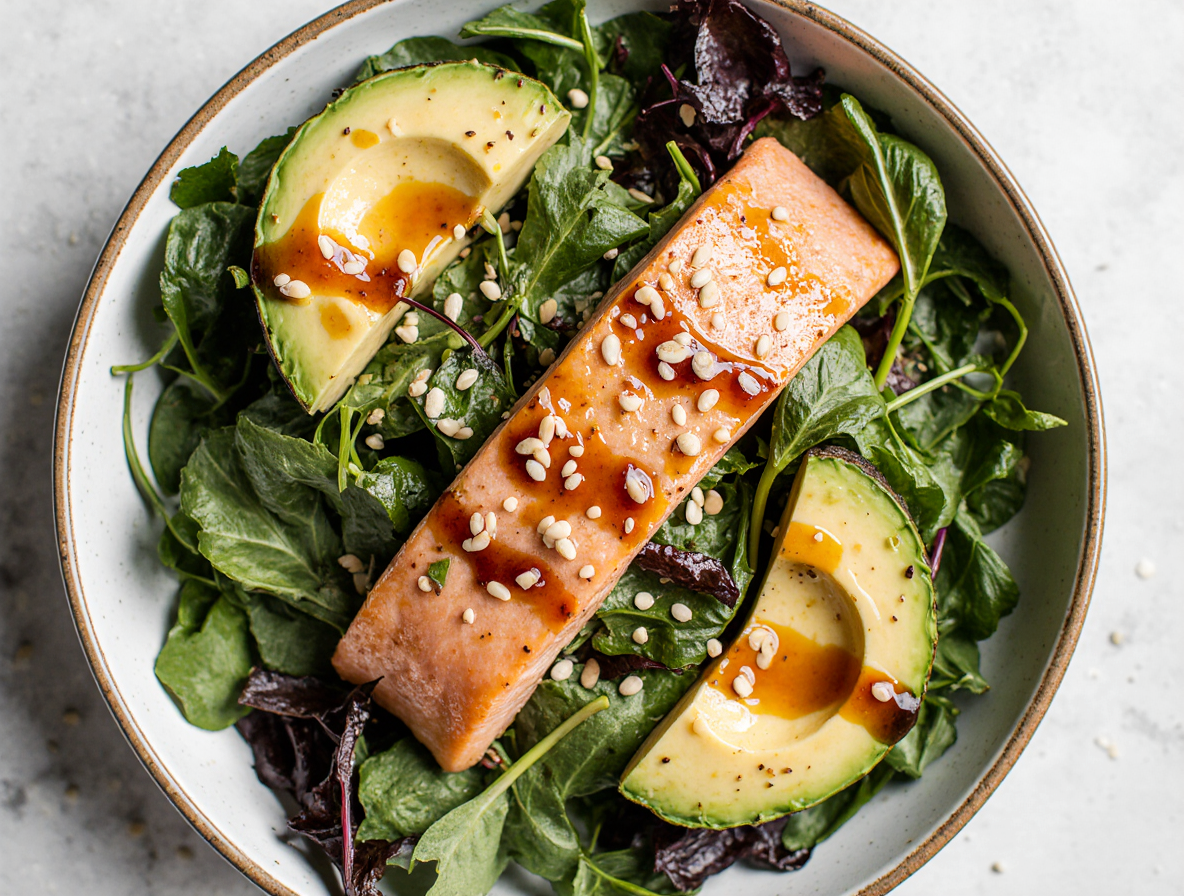
Mastering Asian Salmon Salad: Chef Tips for Unforgettable Flavor
Imagine a meal that's not only incredibly delicious but also a nutritional powerhouse. The Asian salmon salad fits this description perfectly, offering up to 35 grams of protein and over 40% of your daily vitamin C requirements in a single, vibrant serving. But this isn't just another healthy option; it's a symphony of flavors, where the rich glaze of perfectly cooked salmon meets the bright, tangy kick of a well-balanced Asian dressing. What truly sets this dish apart is the unique profile of Asian dressings, which typically feature a lower oil-to-vinegar ratio than their Western counterparts, creating that signature zing and freshness that makes Asian Salmon Salad a high-protein, vitamin-rich meal that truly stands out.
This dynamic dish is elegantly composed of three crucial elements: succulent, often teriyaki-glazed salmon; a light, zesty dressing like a citrus soy or sesame ginger blend; and a colorful array of fresh fruits and vegetables. Each component is vital, contributing to a meal that is both profoundly satisfying and nutritionally complete, with some versions providing up to 616 calories, making it ideal for a fulfilling lunch or a hearty dinner. In this guide, we'll delve into chef-tested techniques, from selecting the finest salmon to harmonizing flavors in your dressing and assembling a restaurant-quality presentation. Prepare to discover why this dish is not just a meal, but a culinary adventure perfect for entertaining throughout the year.
The Foundation: Selecting and Preparing Your Salmon
The journey to a perfect Asian salmon salad begins long before any cooking starts—it starts with choosing and preparing the right salmon. Quality salmon not only elevates the flavor profile but also significantly boosts the dish's nutritional value, ensuring every bite is as wholesome as it is delicious.
How to Select the Best Salmon Fillets
The secret to an exceptional Asian salmon salad lies in the quality of your fish. When shopping, look for salmon fillets with a vibrant, almost jewel-like color, whether it's the deep ruby of Sockeye or the delicate pink of King salmon. The flesh should appear plump and moist, not dry or gapping. A quick chef's test: gently press the flesh with your finger; it should spring back immediately. If buying a whole fish, check that the eyes are clear and shiny, not cloudy. Most importantly, always trust your nose—fresh salmon should have a mild, oceanic scent, never a strong "fishy" odor.
While both wild-caught and farmed salmon can be excellent, many chefs lean towards wild-caught varieties for their more robust flavor and firmer texture, often attributed to their natural diet and active swimming. Among wild options, King (Chinook) salmon is frequently considered the gold standard, renowned for its rich, buttery texture and high-fat content, which keeps it incredibly moist during cooking. Sockeye salmon, with its distinct deep red hue and bold taste, also makes an outstanding choice for Asian salmon salad recipes, offering a slightly less fatty but equally flavorful experience. For a slightly milder, firmer option, Coho (Silver) salmon is also a fantastic contender.
Marinating Tips for Deeper Flavor
Marinating is a game-changer for infusing your salmon with authentic Asian flavors. A classic marinade base often includes a balanced mix of soy sauce (or tamari for a gluten-free option), grated fresh ginger, a splash of rice vinegar, and a touch of honey or maple syrup for sweetness. For individual salmon fillets, a marination time of 30 minutes to 1 hour is usually sufficient to impart wonderful flavor without over-curing the fish. If you're working with a larger, thicker fillet or even a whole side of salmon, you can extend this to up to 2 hours.
Beyond flavor, chefs employ a clever technique for enhancing moisture and even reducing carcinogens during high-heat cooking. Marinating salmon in a salty, acidic solution prior to cooking—such as a mixture of orange juice with a teaspoon of sea salt for 10-20 minutes—can significantly enhance moisture retention. Surprisingly, this simple step can also reduce the formation of carcinogens, especially when grilling, by up to 80%. This pre-treatment creates a more succulent and healthier piece of fish. For more detailed instructions on perfecting your salmon prep and distinctive dressing techniques, make sure to check out our Asian Salmon Salad: Distinctive Dressings & Perfect Salmon Prep guide.
Crafting the Perfect Asian Dressing: The Heart of the Flavor
While perfectly cooked salmon forms the anchor of this salad, it's the dressing that truly brings the dish to life, weaving together all the diverse elements into a harmonious whole. The distinctive character of Asian dressings—with their typically lower oil-to-vinegar ratio—is precisely what delivers that bright, tangy, and invigorating flavor profile we adore in an asian salmon salad recipe.
The Unique Chemistry of Asian Dressings
Unlike many creamy Western dressings, Asian dressings often prioritize a crisp, clean acidity and umami depth over richness. This means less oil, allowing the vibrant notes of citrus, vinegar, soy, and fresh aromatics to truly shine. This unique balance results in a dressing that enhances without overpowering, refreshing the palate with every bite and making the entire salad feel lighter yet incredibly satisfying.
Key Ingredients for an Unforgettable Dressing
To create a dressing that truly complements your salmon, consider these popular variations:
- Sesame Ginger Salmon Salad Dressing: A classic for a reason. Combine soy sauce, rice vinegar, toasted sesame oil, freshly grated ginger, minced garlic, and a touch of honey or maple syrup. A pinch of red pepper flakes can add a subtle warmth.
- Bright Citrus Soy Dressing: This version leans on the refreshing power of citrus. Whisk together fresh lime or lemon juice, soy sauce, a small amount of sugar to balance the acidity, and perhaps a dash of mirin for sweetness. A finely chopped scallion can add a delicate oniony note.
- Thai Chili Lime Dressing: Drawing inspiration from Southeast Asian cuisine, this dressing delivers a powerful punch. It typically features fresh lime juice, fish sauce for umami depth, brown sugar, minced Thai bird chilies (adjust to your spice preference), and plenty of fresh garlic.
The key to any great dressing is balance. Taste and adjust constantly, aiming for that perfect interplay of sweet, sour, salty, and umami. For an extra velvety texture, slowly whisk in a neutral oil like grapeseed or canola in a thin stream after combining the other ingredients. Make dressings ahead of time to allow flavors to meld, chilling them until ready to serve.
Assembling Your Masterpiece: Layers of Texture and Taste
With your perfectly cooked salmon and exquisite dressing ready, the final step is to assemble your Asian salmon salad into a culinary work of art. This is where you can unleash your creativity, layering ingredients to create a symphony of textures and a riot of colors that is as visually appealing as it is delicious.
Building the Vibrant Base
Start with a generous bed of fresh, crisp greens. A mix of baby arugula and spring mix provides a delicate bitterness and tender texture, complementing the rich salmon beautifully. Other excellent choices include finely shredded Napa cabbage, spinach, or even crisp romaine lettuce for added crunch. Ensure your greens are thoroughly washed and dried to prevent a watery salad.
The Colorful Mix: Vegetables, Fruits, and Herbs
This is where you bring in the "salad" aspect, adding a medley of fresh ingredients for flavor, crunch, and visual appeal. Think about contrasting textures and colors:
- Crunchy Vegetables: Shredded carrots, thinly sliced red cabbage (adds beautiful color), crisp cucumber ribbons, and vibrant bell peppers (red, yellow, orange). The reference also mentions
pickled broccoli stems , which is a fantastic idea for adding a tangy, tender-crisp element. You can quick-pickle thinly sliced broccoli stems in rice vinegar, sugar, and salt for 30 minutes to an hour. - Sweet & Tangy Fruits: Edamame beans add a lovely pop of green and plant-based protein. Sliced mango or mandarin orange segments can introduce a delightful sweetness and juicy contrast to the savory salmon.
- Fresh Herbs: Don't underestimate the power of fresh herbs. Generous handfuls of cilantro, mint, and Thai basil can elevate the flavor profile, adding bright, aromatic notes that tie the Asian theme together.
- Hearty Fillers: Consider adding toothsome glass noodles, soba noodles, or even quinoa for a gluten-free option, which adds substance and makes the salad a truly fulfilling meal.
- Creamy Elements: Slices of ripe avocado lend a luxurious creaminess and healthy fats, balancing the crispness of the vegetables and the richness of the salmon.
Finishing Touches and Presentation
Once your greens and various components are arranged, artfully place your glazed salmon fillets on top. Drizzle your exquisite dressing generously over the entire salad, ensuring every ingredient gets a taste. For an extra layer of texture and visual appeal, finish with crunchy toppings: a sprinkle of toasted sesame seeds, chopped peanuts or cashews, crispy fried shallots, or even a few extra sprigs of fresh herbs. Layering is key for an appealing presentation; arrange ingredients thoughtfully rather than simply tossing them together. This creates a salad that invites diners to explore its riot of textures and flavors with every forkful.
Beyond the Bowl: Serving and Entertaining Tips
The Asian salmon salad isn't just a delicious meal; it's an incredibly versatile dish, making it perfect for a variety of occasions. Its balanced flavors and stunning presentation mean it’s equally at home as a light lunch, a satisfying dinner, or the star attraction at your next gathering. Whether you're hosting a casual backyard barbecue or an elegant dinner party, this salad is guaranteed to impress.
Perfect for Any Occasion
One of the true strengths of this dish is its adaptability. It’s light enough for a refreshing summer meal but hearty enough to be satisfying on a cooler evening. Its vibrant colors and fresh ingredients make it particularly appealing for entertaining year-round. You can even prepare many of the components—the dressing, chopped vegetables, and even the salmon—ahead of time, making assembly a breeze just before serving. This flexibility makes it a favorite among busy home cooks and seasoned chefs alike.
Nutritional Powerhouse and Culinary Canvas
As we've highlighted, the Asian salmon salad is more than just tasty; it's packed with goodness. With its high protein content from the salmon and a wealth of vitamins and minerals from the diverse range of fruits and vegetables, it truly is a nutritionally complete meal. It exemplifies how healthy eating can be both profoundly delicious and deeply satisfying. Remember, this dish is also a fantastic culinary canvas—feel free to experiment with different seasonal vegetables, types of noodles, or even a different protein like chicken or tofu, to continually reinvent and personalize your salad.
Mastering the Asian salmon salad is about understanding the interplay of fresh, quality ingredients and thoughtful preparation. From selecting the perfect salmon to crafting a vibrant dressing and artfully layering your components, each step contributes to an unforgettable culinary experience. So, gather your ingredients, follow these chef tips, and prepare to delight your senses and impress your guests with a dish that is as nourishing as it is delicious. Dive into this culinary adventure and discover the unforgettable flavor of a truly exceptional Asian salmon salad!
